Accounting is the science of recording all business-related transactions in a systematic and orderly manner. All the events get recorded and take the ultimate form of financial statements. These financial statements constitute a permanent record and can be used for future planning and decision-making. The users are commonly referred to as stakeholders: business owners, lenders, employees, managers, customers, and others. Stakeholders utilize financial statements to help make business, lending, and investment decisions which ultimately determine its growth and profitability prospects.
Every entity requires finance to run its affairs effectively. The finance is raised following appropriate guidelines and control mechanisms.
If there is absence of a proper control and implementation of policies, the entity pays a heavy price due to ineffective use to which financial resources get allocated resulting in chaos and also impacts the future plans of the entity as it may not be able to attract investors in future.
The most important element here is to have in place proper policies that channelize and control the financial resources and ensure they get deployed effectively and profitably.

Investment Banking has evolved significantly, converging with Financial Services in the past two decades. The repeal of the Glass Steagall Act blurred boundaries between commercial and investment banks, with even retail banks like ICICI and SBI venturing into this domain. This series explores Investment Banking's diverse functions and career paths, offering insights into daily roles.


This comprehensive collection features 24 real-world cases that reflect a diverse range of business and management scenarios across small, medium, and large Indian enterprises. Each case presents realistic challenges and opportunities, encouraging them to apply both conceptual frameworks and strategic thinking to arrive at effective management solutions.
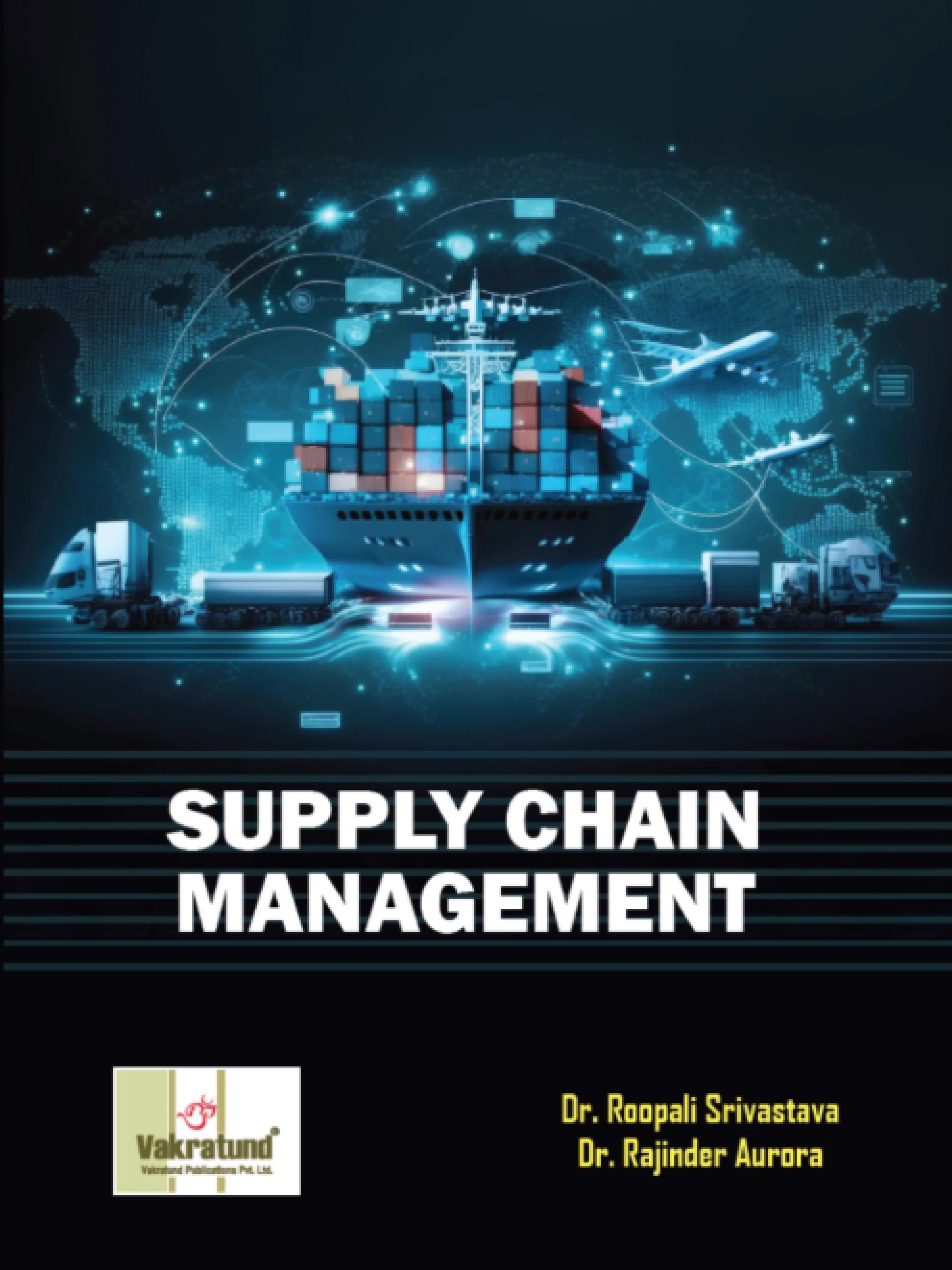
The provided sources offer a comprehensive overview of supply chain management, detailing its evolution through various stages, from market value focus to automation and the emphasis on knowledge-driven processes in the twenty-first century. They explain key components such as logistics, warehouse management, procurement, and inventory control, highlighting their importance in achieving organizational efficiency and customer satisfaction. The texts also differentiate between lean, agile, and sustainable supply chains, discussing their principles, benefits, and the role of strategic alliances and distribution networks in optimizing operations. Furthermore, the sources address challenges like material shortages, complex demand forecasting, and inflation, while exploring how emerging technologies such as AI, machine learning, and big data are transforming supply chain processes and enhancing resilience and integration.



+91-22-27564926 / +91 9820180786 / +91-22–49744926







© Copyright 2025 Vakratund Book House.
Designed & Devloped by G-Ordinateur


